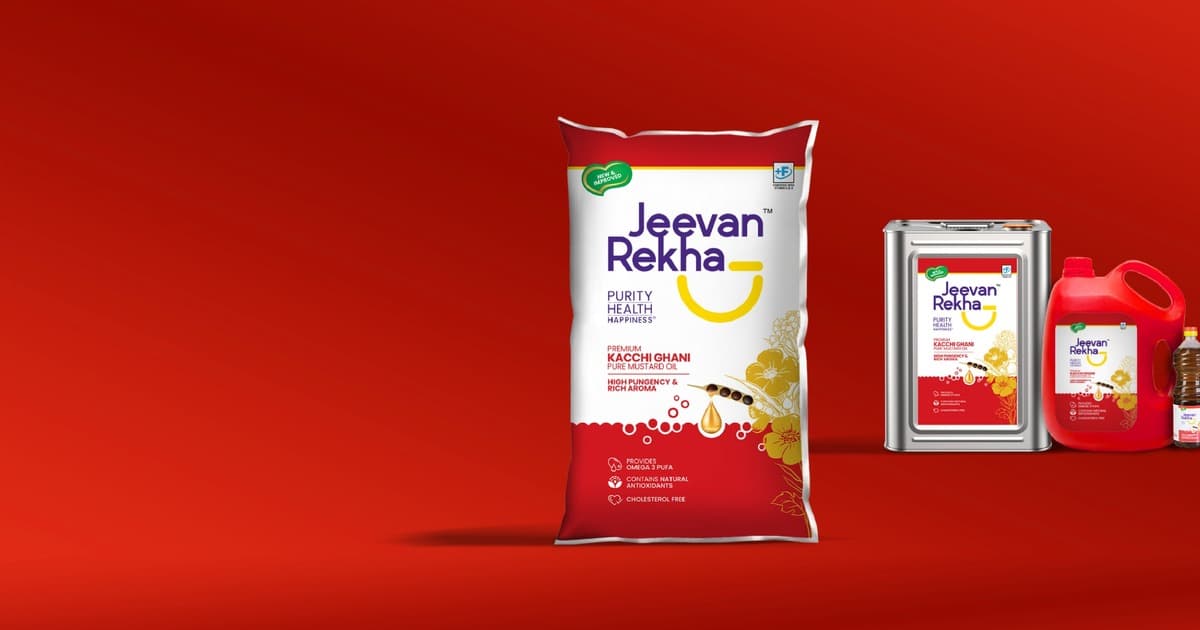
“The Western ban on mustard oil was based on flawed 1970s rat trials. In humans, traditional cold-pressed Kacchi Ghani mustard oil is one of nature's richest plant sources of cardioprotective Omega-3 (ALA) and Monounsaturated Fats, reducing coronary heart disease risks across Eastern India for centuries.”
If you have ever purchased imported mustard oil in the United States, Canada, or the European Union, you may have seen a bizarre mandatory warning label: “For External Use Only”.
For millions of families in Bengal, Bihar, Odisha, Uttar Pradesh, and Rajasthan—where Kacchi Ghani Mustard Oil has been the primary cooking fat for thousands of years—this label is baffling. How did an ancient, celebrated culinary oil become the subject of regulatory bans in the West?
Let's dissect the scientific origins of the erucic acid myth, look at modern clinical epidemiology from AIIMS and the Indian Council of Medical Research (ICMR), and understand why authentic cold-pressed mustard oil is truly heart-healthy.
1. The 1970s Rat Study: How the Myth Started
In the early 1970s, animal nutritionists in North America fed laboratory rats diets where 40% to 50% of total daily calories came purely from isolated erucic acid (a monounsaturated 22-carbon omega-9 fatty acid naturally present in mustard and rapeseed).
The rats developed myocardial lipidosis—transient fat droplet deposits in heart muscle tissue. This led the US FDA and European regulators to place strict limits on erucic acid and encourage the genetic modification of rapeseed into low-erucic “Canola oil” to protect domestic agriculture.
Why Rat Physiology Does Not Apply to Humans:
- Enzymatic Differences: Rats have very low levels of the enzyme peroxisomal acyl-CoA oxidase in their cardiac tissue. Humans, by contrast, possess abundant peroxisomal enzymes that readily break down 22-carbon erucic acid into shorter oleic chains without cardiac accumulation.
- Unrealistic Dosages: Humans consume mustard oil as 5%–10% of total diet calories, not the extreme 40%–50% forced feeding levels used in the rodent trials.
- Human Epidemiological Proof: Decades of cardiovascular monitoring across Eastern India have shown zero documented cases of human myocardial lipidosis linked to dietary mustard oil consumption.
2. What Modern Indian Cardiology Says (AIIMS & ICMR Studies)
A landmark study conducted by cardiologists at the All India Institute of Medical Sciences (AIIMS, New Delhi) and published in the American Journal of Clinical Nutrition revealed that regular users of pure mustard oil experienced a significant 71% reduction in the risk of acute myocardial infarction (heart attacks) compared to users of refined vegetable fats.
The cardiovascular advantages of cold-pressed Kacchi Ghani Mustard Oil stem from its unique biochemical profile:
| Nutritional Component | Concentration in Kacchi Ghani | Cardiovascular / Health Function |
|---|---|---|
| Monounsaturated Fatty Acids (MUFA) | ~60% – 65% | Lowers bad LDL cholesterol, preserves protective HDL |
| Alpha-Linolenic Acid (Omega-3 ALA) | ~8% – 12% | Potent anti-thrombotic; prevents blood clotting and cardiac arrhythmia |
| Allyl Isothiocyanate (AITC) | ≥ 0.20% (Natural Pungency) | Antimicrobial, gastro-protective, and enhances digestion |
| Saturated Fatty Acids (SFA) | < 8% (Extremely low) | Prevents arterial plaque formation |
3. The True Culprit: Solvent Extraction vs Cold Screw-Pressing
If there is any danger with mustard oil, it lies in cheap solvent-extracted, chemically bleached refined mustard oils where:
- Hexane solvents strip away 100% of natural Allyl Isothiocyanate (AITC).
- Thermal bleaching degrades natural Omega-3 fatty acids into trans-fats.
- Synthetic mustard pungency essences (artificial AITC chemicals) are artificially re-added.
At AB Udyog Pvt. Ltd., Jeevan Rekha Kacchi Ghani Mustard Oilis extracted using traditional heavy-duty cold screw presses kept under strict temperature controls (< 50°C). Every batch is NABL tested for zero Argemone contamination and certified for authentic natural pungency.
Read our full Kacchi Ghani vs Refined Mustard Oil showdown to learn more about how cold-pressing preserves authentic pungency.