“India is home to over 101 million people living with diabetes. While carbohydrate control is critical, the quality of your cooking oil plays a vital complementary role in supporting cell membrane fluidity, managing insulin receptor sensitivity, and protecting cardiovascular wellness.”
When managing Type 2 Diabetes or Prediabetes, most dietary conversations focus strictly on cutting refined sugar and carbohydrates. However, lipid biochemists emphasize that the quality and balance of fatty acids used in daily cooking directly influence cellular insulin signaling.
Let's explore how dietary lipids interact with cell membranes, analyze the Indian Council of Medical Research (ICMR) fatty acid guidelines, and review the clinical evidence on why Physically Refined Rice Bran Oil is an exceptional choice for health-conscious households.
1. The Metabolic Link: How Cooking Oils Influence Blood Sugar
Every human cell is enclosed by a lipid bilayer membrane. Diets heavily skewed toward saturated fats, trans-fatty acids (vanaspati), or thermally oxidized oils reduce membrane fluidity.
This stiffness can impair the normal docking and translocation of GLUT-4 glucose transporters in response to insulin, creating metabolic friction.
How Gamma Oryzanol Supports Metabolic Wellness:
- Supports Adiponectin Levels: Gamma Oryzanol has been shown in clinical trials to help stimulate adiponectin secretion—a key hormone that assists insulin sensitivity in skeletal muscle and liver tissue.
- Helps Moderate Postprandial Spikes: Because of its high thermal stability and unique micronutrient profile, cooking with rice bran oil helps prevent the formation of lipid peroxides that trigger acute post-meal glycemic swings.
- Assists Lipid Management: Diabetics frequently experience diabetic dyslipidemia. Gamma Oryzanol provides natural dietary support to help maintain healthy triglyceride and cholesterol levels.
2. Fatty Acid Balancing According to ICMR Guidelines
The National Institute of Nutrition (NIN) and ICMR advise that diabetic diets should provide a balanced ratio of fatty acids:
- Saturated Fatty Acids (SFA): 27% to 33%
- Monounsaturated Fatty Acids (MUFA): 33% to 40%
- Polyunsaturated Fatty Acids (PUFA): 27% to 33%
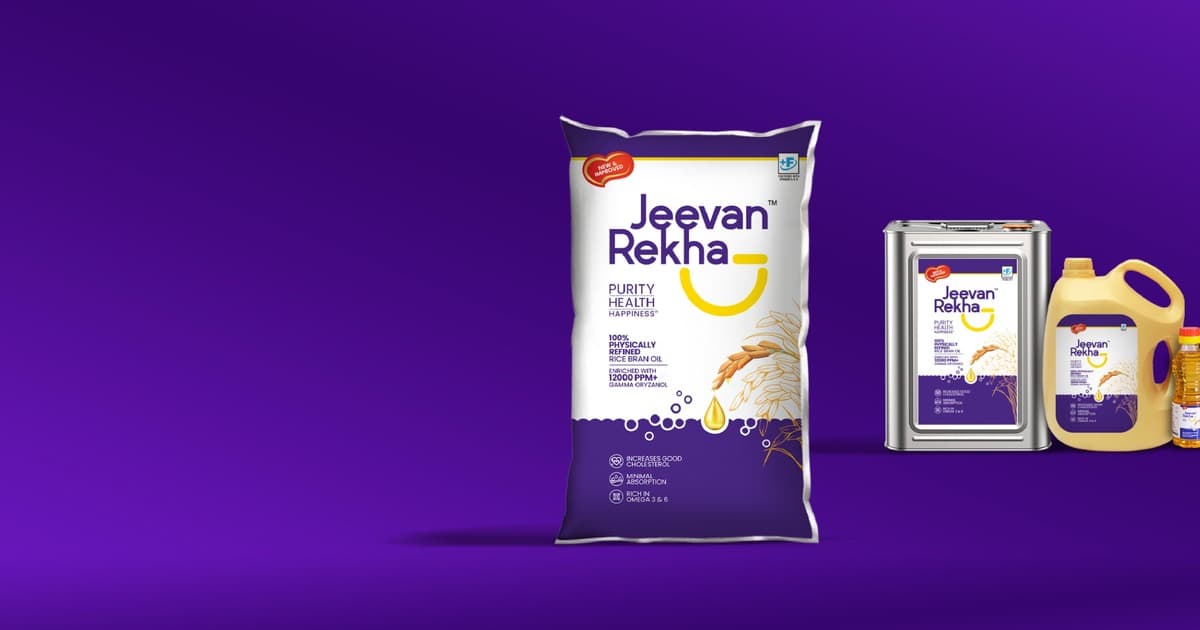
Jeevan Rekha Physically Refined Rice Bran Oil naturally hits approximately 33% SFA : 40% MUFA : 27% PUFA, making it the closest single-source vegetable oil to ICMR guidelines.
3. Cooking Guidelines for Diabetic Households
- Leverage Low Oil Absorption: Rice bran oil's high smoke point (232°C) and low surface tension ensure up to 15%–20% lower oil uptake during cooking, reducing total caloric load.
- Pair with Cold-Pressed Mustard Oil: Use Rice Bran Oil for everyday sauteing and dal tadka, and Jeevan Rekha Kacchi Ghani Mustard Oil for pungent fish or vegetable preparations to supply essential Omega-3 ALA.
- Avoid Commercial Re-used Fats: Samosas and sweets fried in industrial vanaspati create immediate insulin receptor resistance and glycemic instability.